
Dapoxetine: PE treatment and products
Dapoxetine for PE: control, realistic trial results, fainting precautions and the evidence limits of ED/PE combinations.
Dapoxetine is a short-acting SSRI studied and licensed in some markets for premature ejaculation (PE). Its purpose is to improve ejaculation control and reduce the distress associated with PE. It does not treat erection difficulty simply because some products pair it with an ED medicine.
Key points
- PE involves control, distress and the pattern of symptoms, not only a stopwatch reading.
- Dapoxetine’s on-demand research differs from daily antidepressant treatment.
- Trials show improvement beyond placebo, but their averages are not a promised personal duration.
- Nausea, dizziness and fainting precautions can matter as much as the measured benefit.
- Research on selected men taking separate ED and PE medicines does not validate every fixed-combination product.
What the large trials actually measured
A pooled phase III analysis combined five randomized, double-blind studies involving 6,081 men across more than 25 countries. The programme included different designs; a daily-treatment arm contributed to safety assessment rather than the on-demand efficacy comparison. Most efficacy comparisons studied on-demand treatment for 12 or 24 weeks.
At week 12, the arithmetic average time from vaginal penetration to ejaculation rose from approximately 0.9 minutes at baseline to 3.1 minutes with 30 mg, 3.6 with 60 mg, and 1.9 with placebo. Those are studied amounts and group results, not instructions for choosing a dose. The placebo improvement also matters: comparing only with baseline makes the drug’s additional benefit look larger than the randomized comparison supports.
Timing data are unevenly distributed. A few long encounters can pull an arithmetic average upward. The same paper’s geometric averages, which reduce that influence, were 2.0, 2.3 and 1.3 minutes respectively. Both analyses favoured dapoxetine; neither says every participant reached the quoted number. The programme also measured perceived control, satisfaction, distress and overall improvement. Those outcomes help explain why an extra minute can be meaningful to one person and insufficient to another.
The main timing endpoint concerned vaginal intercourse. It should not be presented as a prediction for every sexual activity or as a requirement to time every encounter.
Why assessment comes before a product
The Australian Priligy information specifies a defined PE indication in men aged 18–64 and requires an assessment of the symptom pattern. That is a market-specific label, not a worldwide rule for every dapoxetine brand. A new change in ejaculation control, coexisting erection problems, medication effects and relationship distress can lead to different treatment discussions.
The EAU guideline distinguishes lifelong and acquired PE and discusses psychological, behavioural, topical and medicine approaches. Dapoxetine is one option within that discussion. A product with a large “minutes” claim does not resolve the underlying assessment.
Tolerability and interactions
Nausea, headache and dizziness were common in the trial programme. The Priligy label also addresses fainting and symptoms that can precede it. Alcohol increases concern about dizziness, impaired alertness and fainting; the Australian information advises avoiding it.
Other antidepressants and serotonergic medicines, including some pain medicines, can create serious interaction risks. Switching between them requires a prescriber to check the relevant intervals and existing treatment. Do not add dapoxetine or interrupt prescribed antidepressant therapy because an online combination sounds convenient.
What if ED and PE coexist?
There is relevant clinical research. In a 12-week randomized study, 495 men with PE were already receiving a stable PDE5-inhibitor regimen for ED and met an erection-function entry criterion. Adding dapoxetine produced an arithmetic average ejaculation time of 5.2 minutes versus 3.4 with added placebo. Overall improvement was also more common, while treatment-emergent adverse events occurred in 29.6% versus 20.0%.
The selection criteria are essential. This was not a trial of Cenforce-D, Super Kamagra or every tablet sold for “ED and PE.” Moreover, Australian Priligy prescribing information advises against use with PDE5 inhibitors, while the EAU guideline discusses combination evidence. A clinician must reconcile the evidence with the applicable local product information and the person’s risks; a positive trial is not blanket permission to combine products.
Priligy, Duralast and Poxet are separate single-ingredient records. The grid also includes individually labelled combinations so their second ingredient remains visible.
Products containing dapoxetine
 Sildenafil
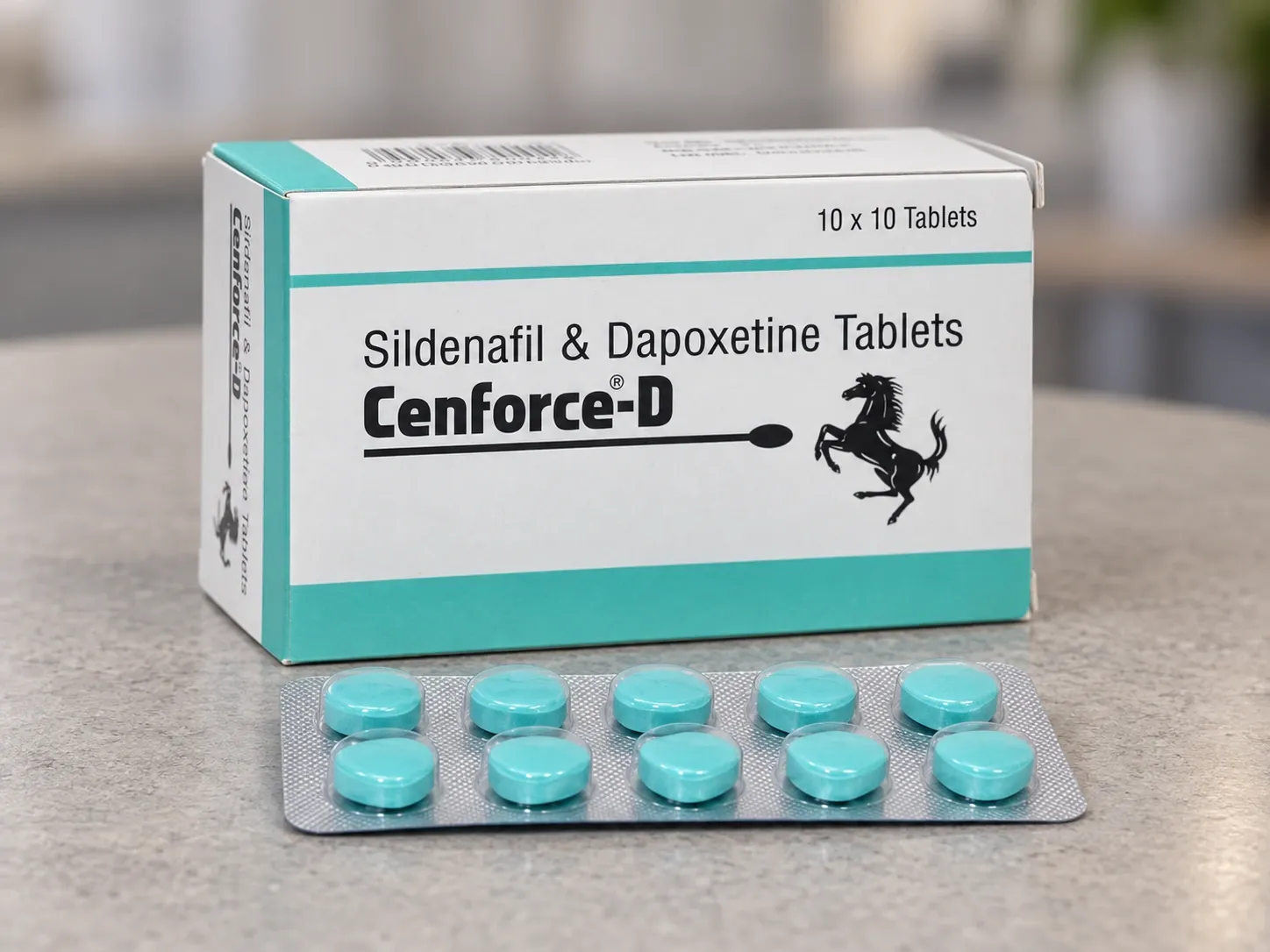
Cenforce-D (sildenafil + dapoxetine)
Cenforce-D is listed by Centurion Laboratories as sildenafil 100 mg plus dapoxetine 60 mg. Read its identity, component amounts and combination evidence limits.
 Dapoxetine
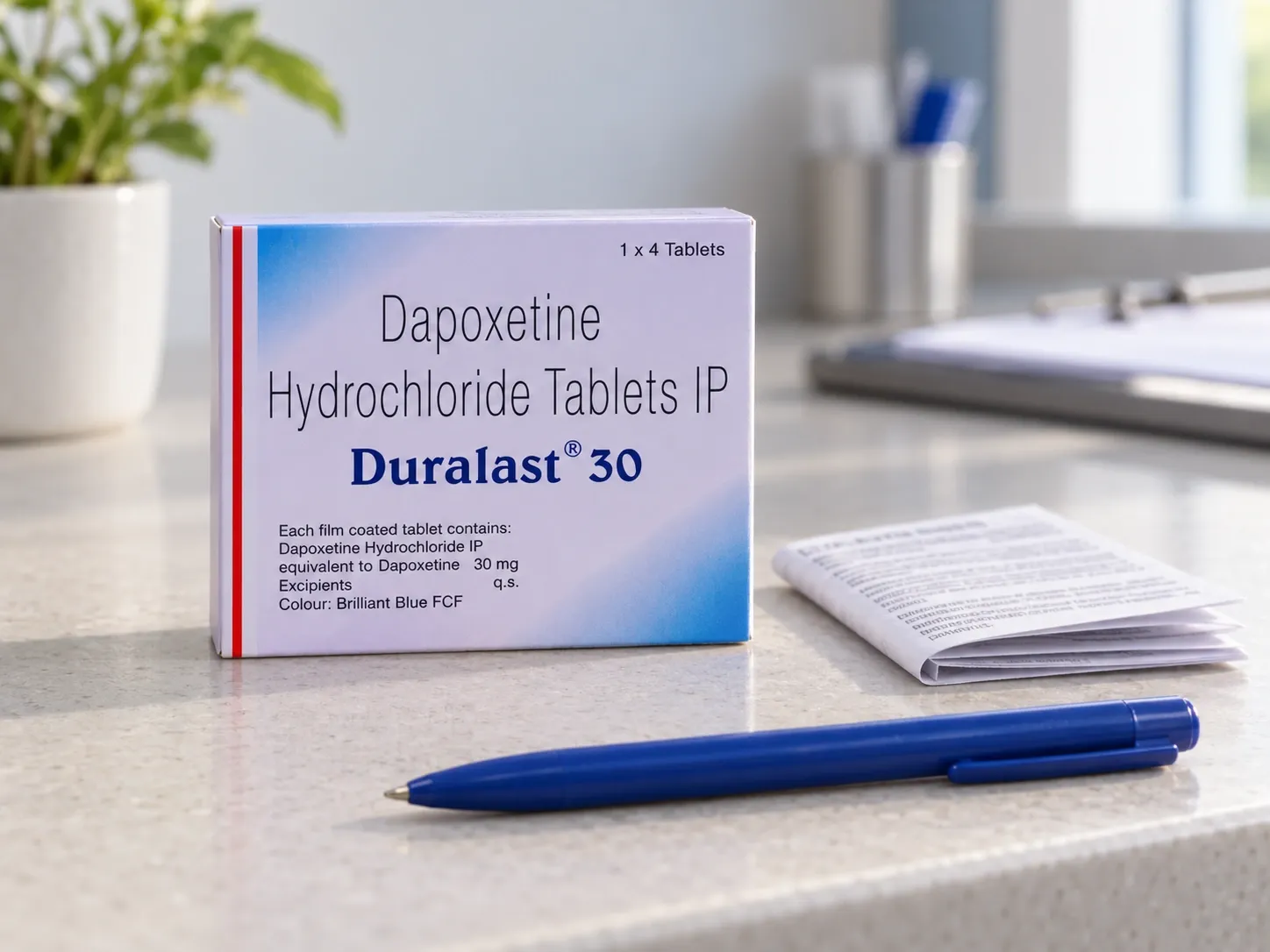
Duralast (dapoxetine)
Duralast is a dapoxetine tablet for premature ejaculation sold in Indian pharmacies by Sun Pharma. See strengths and cautions.
 Sildenafil
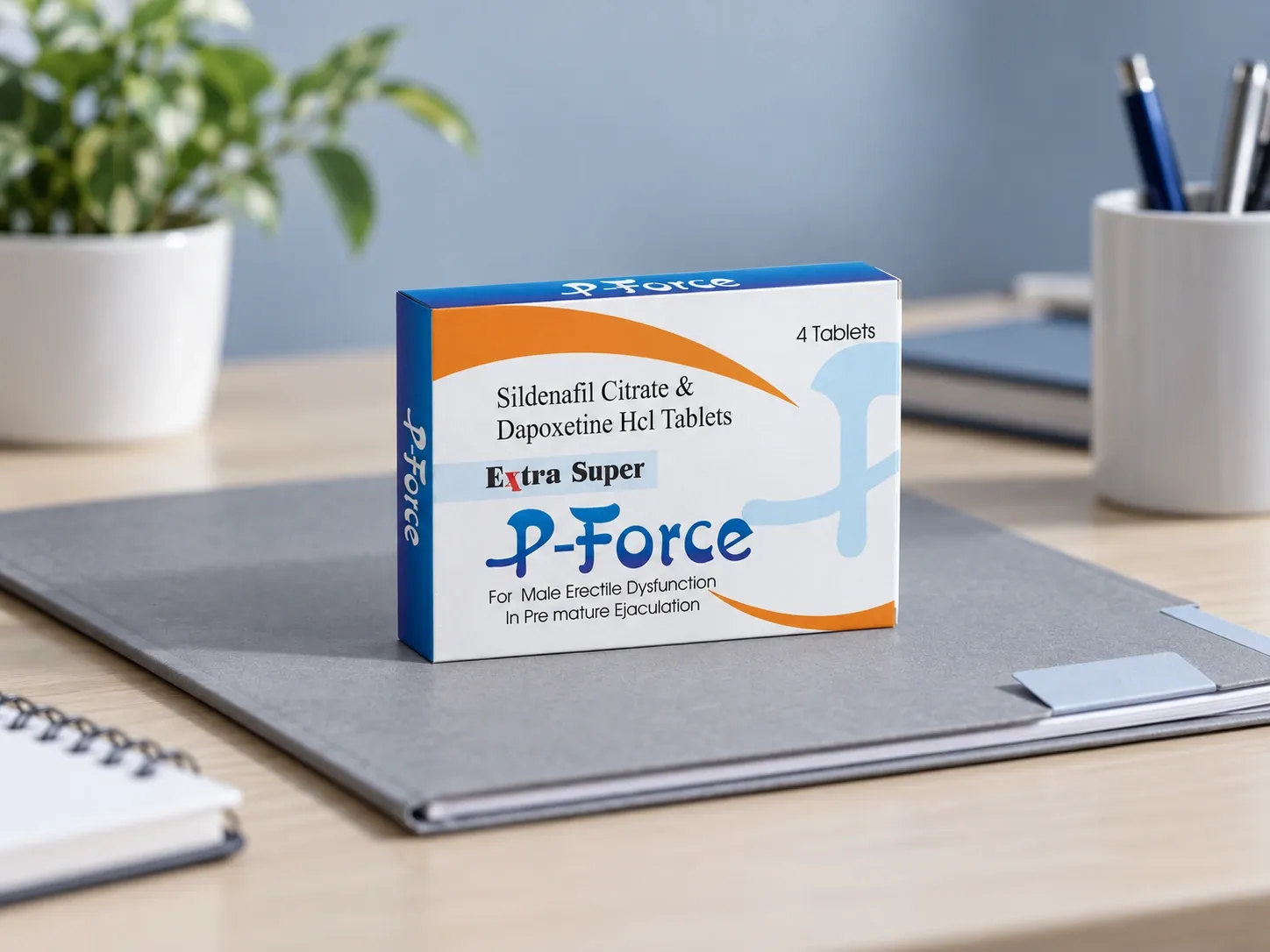
Extra Super P-Force (sildenafil + dapoxetine)
Extra Super P-Force combines sildenafil 100 mg with dapoxetine 100 mg, more dapoxetine than licensed doses. See what to check.
 Sildenafil
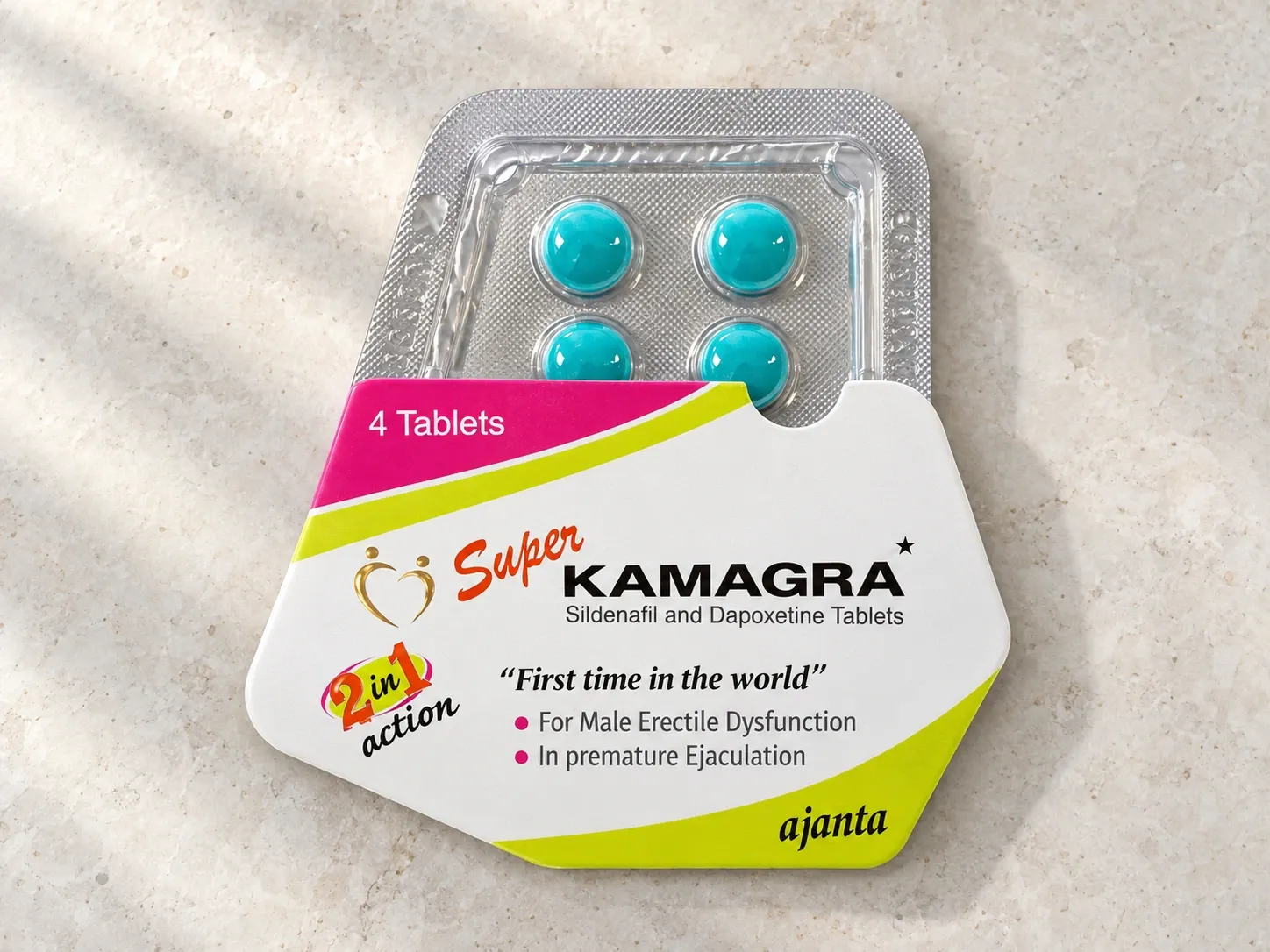
Kamagra Super (sildenafil + dapoxetine)
Kamagra Super (sildenafil + dapoxetine): explicit RSM supplier evidence, exact component/formulation context and the limits of manufacturer and clinical attribution.
 Dapoxetine
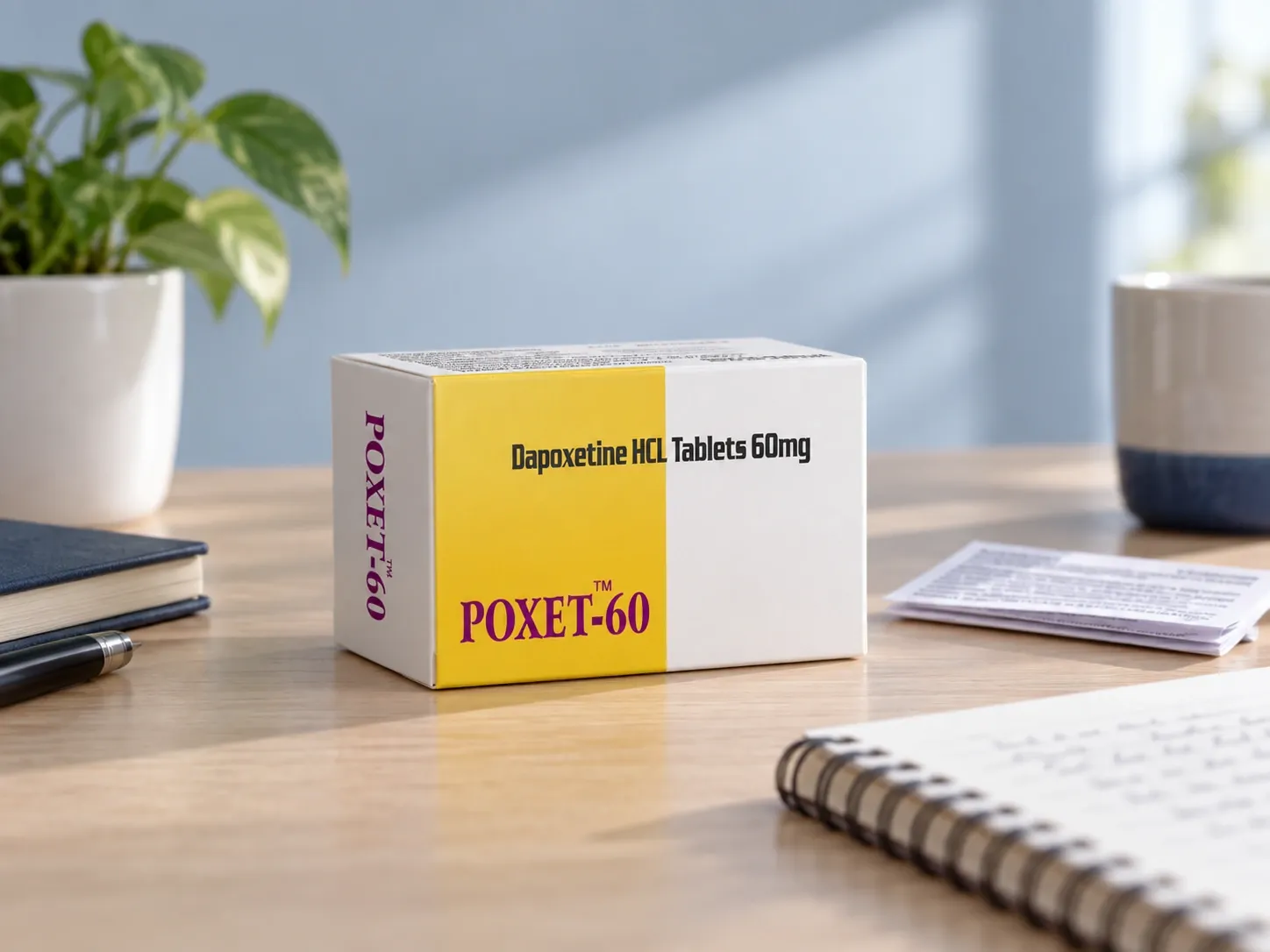
Poxet (dapoxetine)
Poxet is Sunrise Remedies’ dapoxetine tablet for premature ejaculation. See its strengths and how it compares with Priligy.
 Dapoxetine
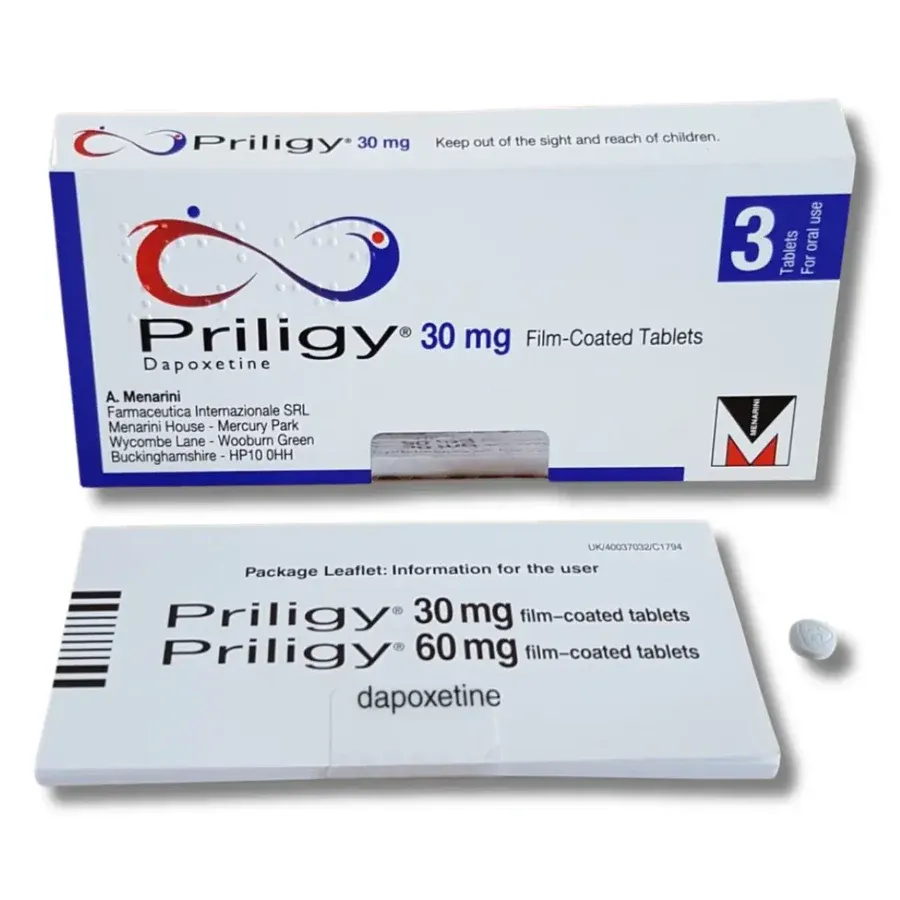
Priligy (dapoxetine)
Priligy is the reference dapoxetine brand for premature ejaculation. See its Australian record, strength and how it differs from ED medicines.
 Avanafil
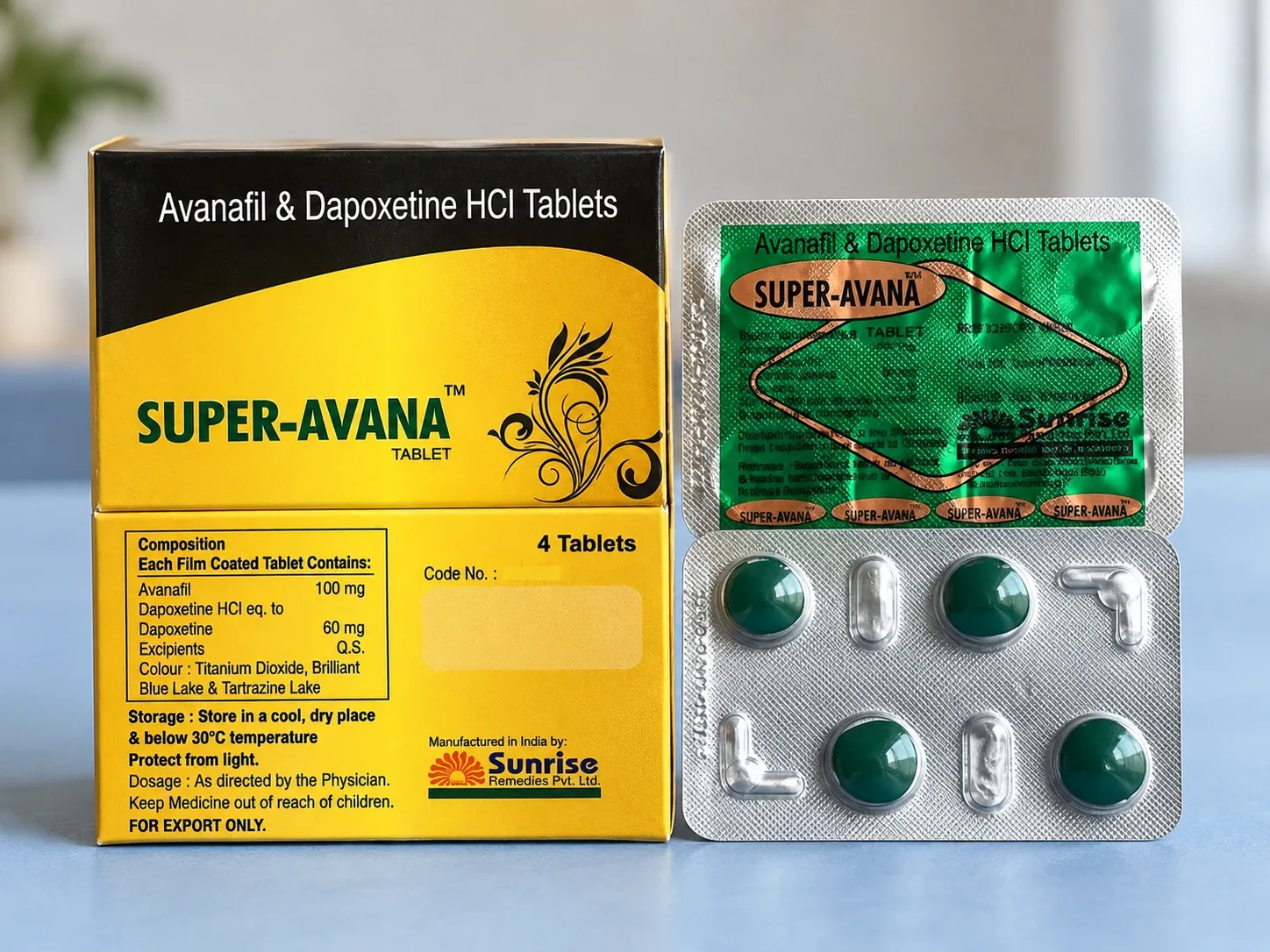
Super Avana (avanafil + dapoxetine)
Super Avana combines avanafil 100 mg with dapoxetine 60 mg. Understand the two ingredients and the cautions for this combination.
 Sildenafil
Super P-Force (sildenafil + dapoxetine)
Super P-Force combines sildenafil 100 mg with dapoxetine 60 mg as a tablet or oral jelly. See both forms and the cautions.
 Tadalafil
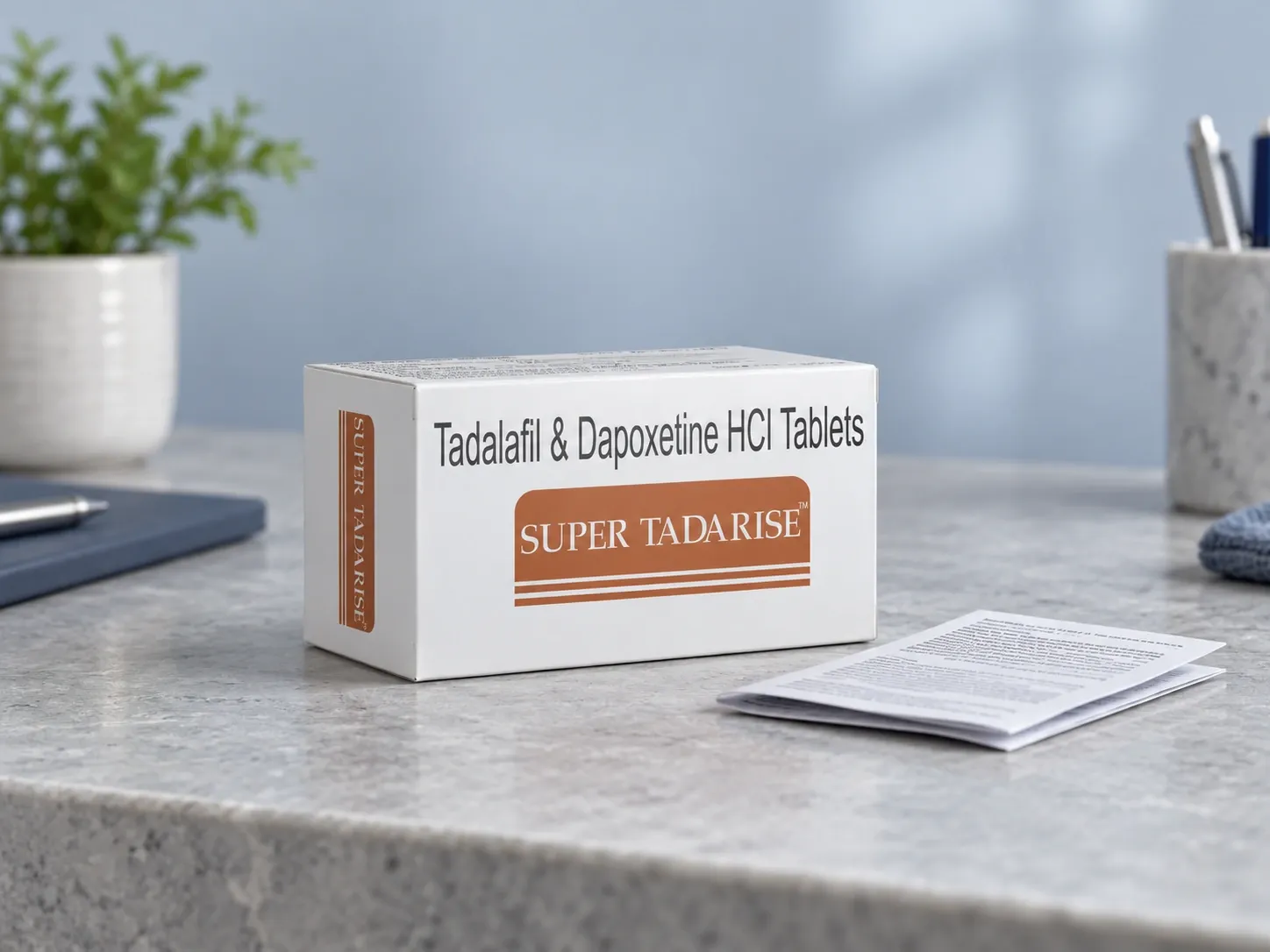
Super Tadarise (tadalafil + dapoxetine)
Super Tadarise combines tadalafil 20 mg with dapoxetine 60 mg. Understand the two ingredients and the cautions for the combination.
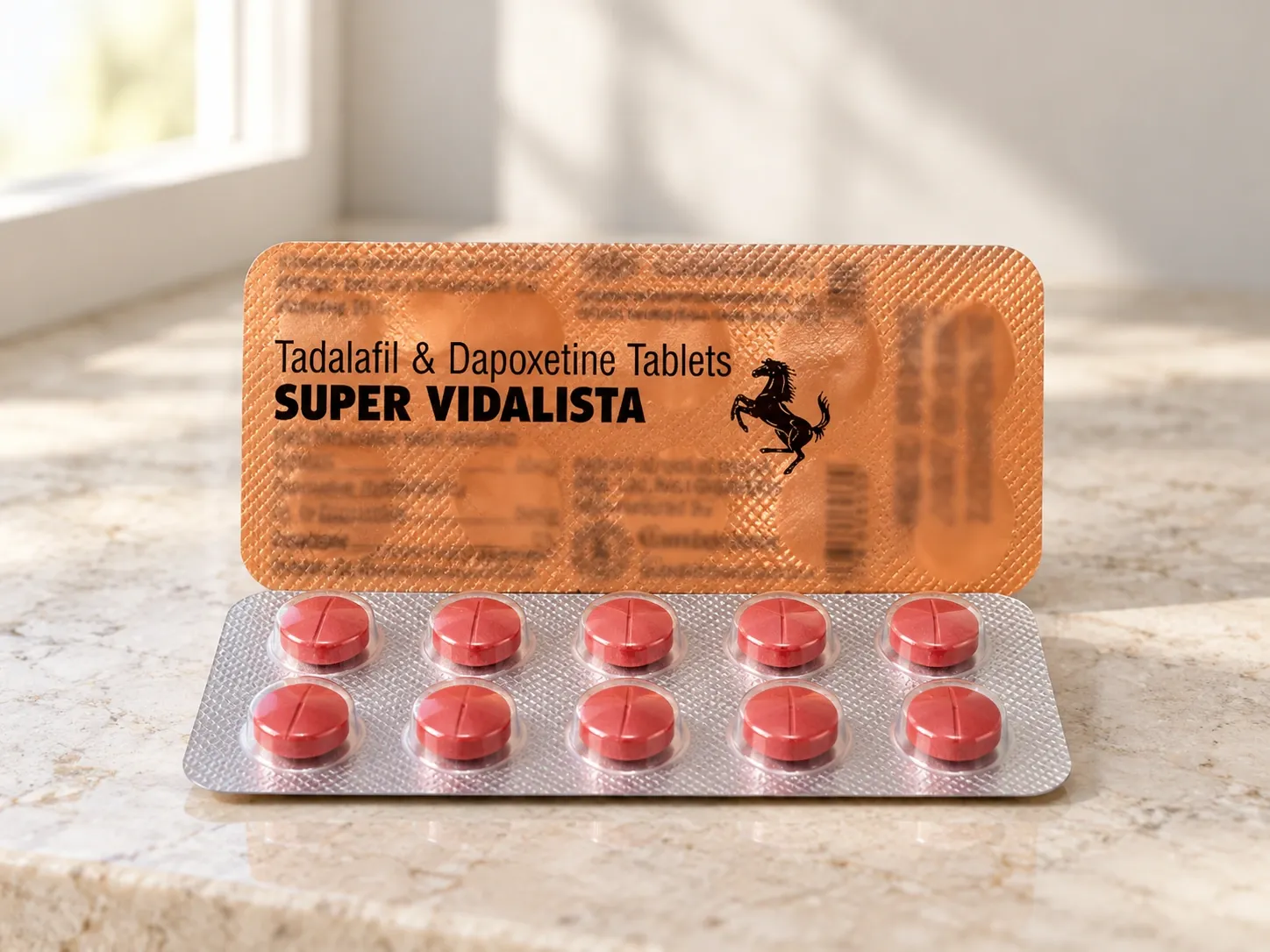 Tadalafil
Super Vidalista (tadalafil + dapoxetine)
Super Vidalista combines tadalafil 20 mg with dapoxetine 60 mg. Understand the two ingredients and why the combination needs care.
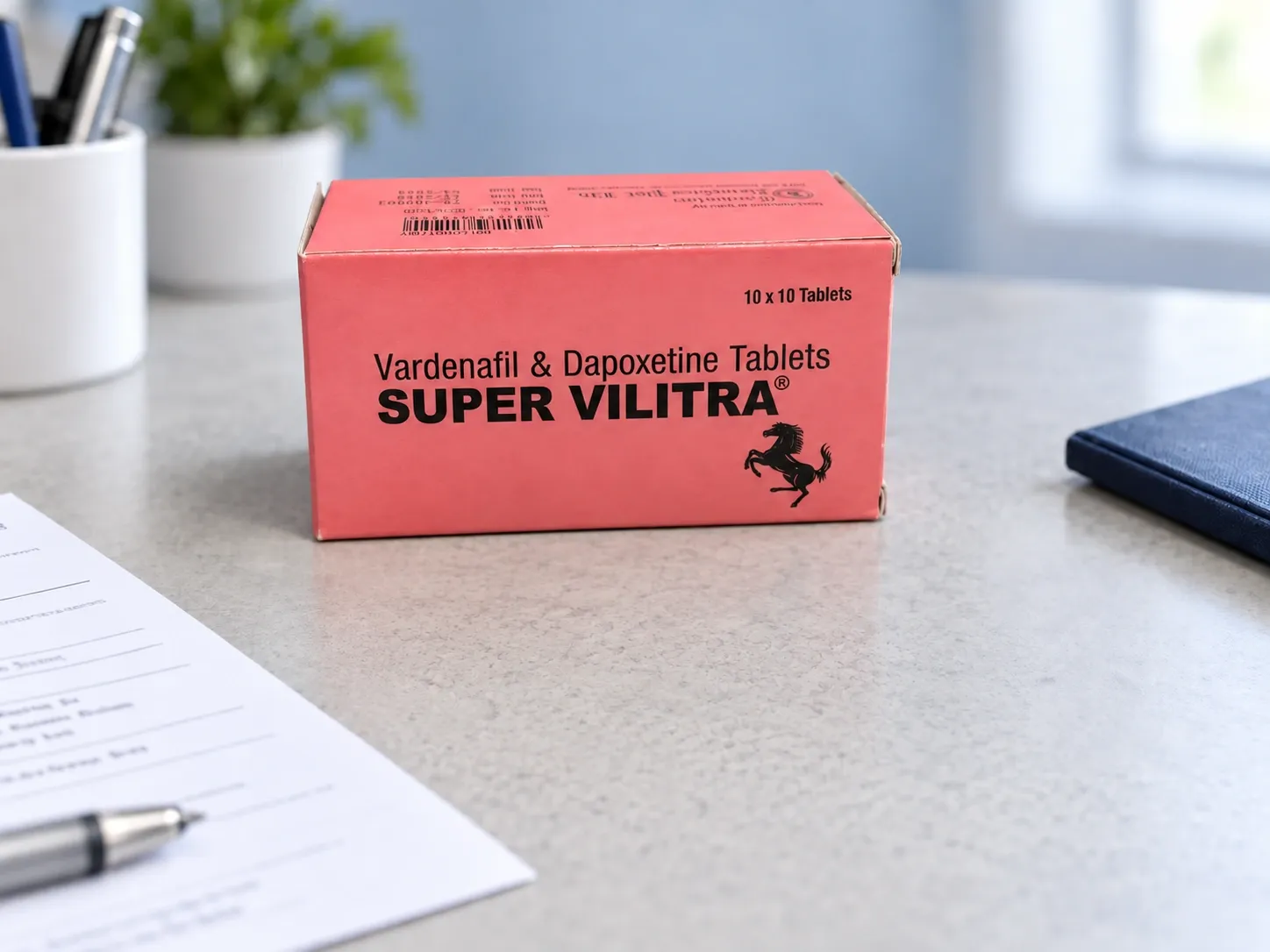 Vardenafil
Super Vilitra (vardenafil + dapoxetine)
Super Vilitra combines vardenafil 20 mg with dapoxetine 60 mg. Understand both ingredients and the cautions for this combination.
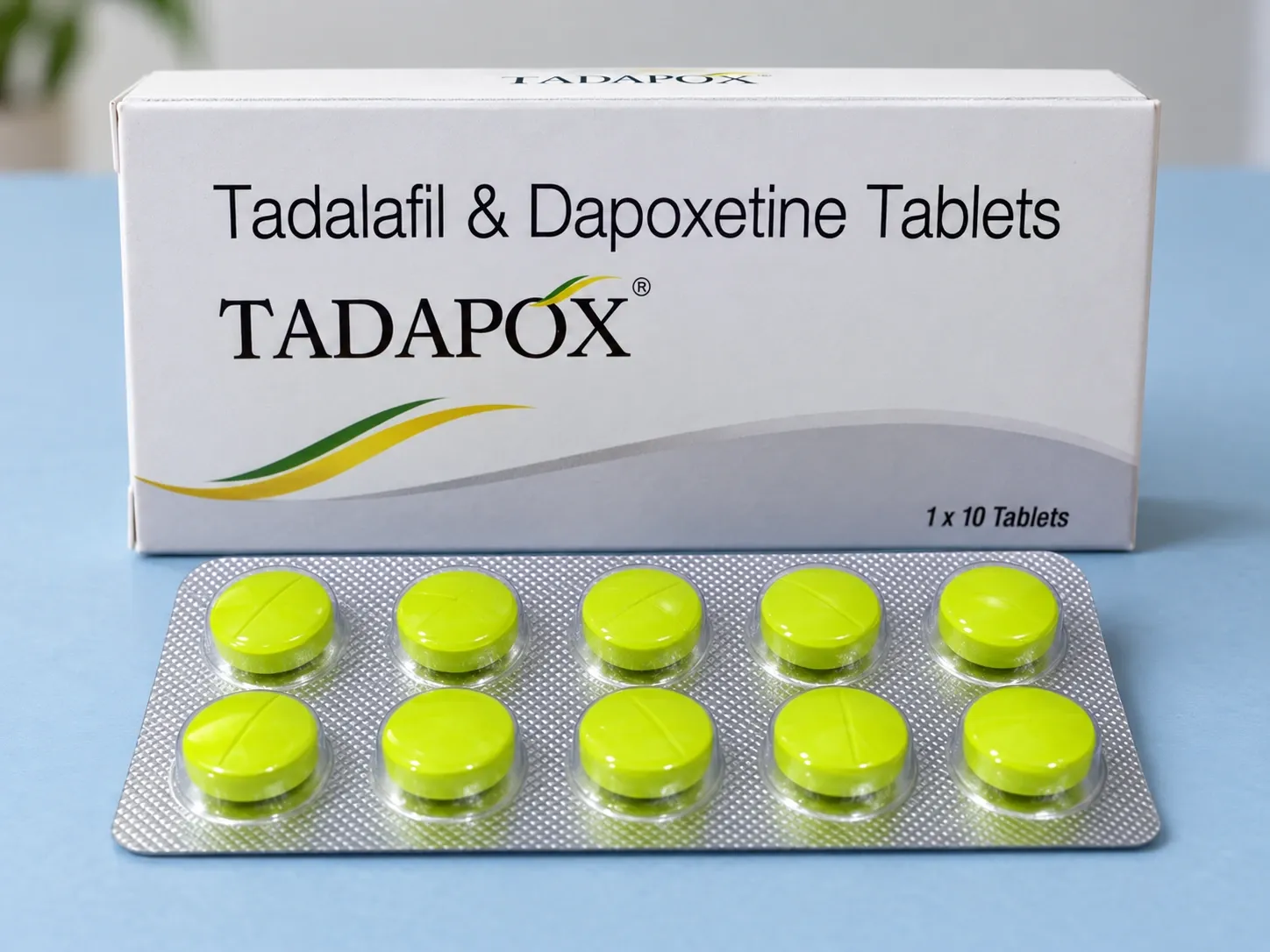 Tadalafil
Tadapox (tadalafil + dapoxetine)
Tadapox (tadalafil + dapoxetine): explicit RSM supplier evidence, exact component/formulation context and the limits of manufacturer and clinical attribution.
Sources
4 sources
Checked .
- Priligy Australian product information — Australian Commission on Safety and Quality in Health Care
- Integrated phase III dapoxetine analysis — Journal of Sexual Medicine, 2011
- Dapoxetine added to stable PDE5 treatment — Journal of Sexual Medicine, 2013
- Disorders of ejaculation guideline — European Association of Urology