
Tadalafil: ingredient and products
Tadalafil’s longer window, daily versus as-needed routines, food, urinary symptoms and what prostate-surgery research really showed.
Tadalafil’s distinctive feature is a longer opportunity for an erection response after treatment. That can change how treatment fits a person’s routine. It also means exposure and interaction concerns last longer than the sexual encounter itself.
Key points
- “Up to 36 hours” describes a possible response window with stimulation, not a continuous erection.
- Daily and as-needed treatment are different prescribing approaches, not interchangeable tablet arithmetic.
- Food does not change the rate or extent of absorption of tadalafil in the reference product information.
- Certain tadalafil presentations also have a urinary-symptom indication; that does not apply automatically to every strength or brand.
- Better erections while taking treatment are not necessarily recovery of unassisted erectile function.
A longer window can reduce timing pressure
The Cialis product information reports efficacy up to 36 hours after dosing. Tadalafil’s mean blood half-life is approximately 17.5 hours in healthy subjects. These measurements explain why its exposure pattern differs from sildenafil, whose half-life is much shorter, but they answer different questions.
A response window means an erection may be supported when stimulation occurs. It does not guarantee success throughout the interval or sustain an erection throughout it. A persistent erection lasting four hours needs urgent attention regardless of the medicine’s normal response window.
Food does not influence tadalafil’s absorption rate or extent in the reference label. This removes one practical variable in comparing ordinary tadalafil with ordinary sildenafil tablets. It does not imply that alcohol, interacting medicines or an unknown combination can be ignored.
Daily versus as needed: what changes?
As-needed treatment links an occasional prescription to anticipated sexual activity. A lower-strength daily regimen separates tablet-taking from the timing of a particular encounter. The reference ED label distinguishes 10/20 mg as-needed presentations from 2.5/5 mg daily treatment. These are label contexts, not directions for selecting or converting a personal dose.
Daily exposure reaches a steady state over about five days. Its attraction is less dependence on planning each encounter; its tradeoff is ongoing medicine exposure even on days without sexual activity. Tolerability, frequency of sexual activity, other medicines and personal preference can all matter in the prescribing discussion. More frequent sex is not the only consideration.
Some 5 mg tadalafil products are also indicated for signs and symptoms of benign prostatic hyperplasia, with or without ED. Improvement in urinary symptoms is a different endpoint from improvement in erections. A product sold at a higher strength should not inherit that daily urinary-symptom indication merely because it contains tadalafil.
A useful study distinction: assistance versus recovery
The REACTT follow-up analysis studied men after bilateral nerve-sparing prostate cancer surgery. It included 422 men assigned to nine months of daily tadalafil, on-demand tadalafil or placebo, followed by a six-week period without study medicine.
At the end of treatment, 22.3% in the daily group had returned to their preoperative erectile-function category, compared with 11.3% in the on-demand group and 7.8% with placebo. The difference was not maintained after the drug-free period. The analysis therefore supports improved drug-assisted function in this particular surgical setting, without proving restored unassisted function after treatment stopped.
This was a post-hoc analysis of a selected surgical population, not a general comparison of daily versus occasional treatment for every cause of ED. Its wider lesson is to ask whether a study measures benefit while treatment is present or lasting recovery without it.
Tolerability and the longer exposure
Headache, indigestion, back pain and muscle pain are among the recognized adverse effects. Back or muscle discomfort can make tadalafil a poor fit for an individual even when the longer window is attractive. Nitrates and riociguat are contraindicated; alpha-blockers, some blood-pressure medicines and CYP3A4-interacting medicines need review.
The reference label describes special clinical precautions if nitrates are medically necessary after tadalafil. That is an emergency-care decision, not a self-managed countdown that makes co-use safe. Tell emergency staff the medicine and when it was taken. Sudden hearing or vision loss also needs urgent assessment.
Connect the ingredient to an exact product
Cialis, Tadacip, Megalis, Forzest and Vidalista have different company and market evidence. “Professional,” “Black” and unusually high strength claims need their own evidence. A known ingredient does not verify an unknown formulation or authenticate the supplied pack.
Products containing tadalafil
 Tadalafil
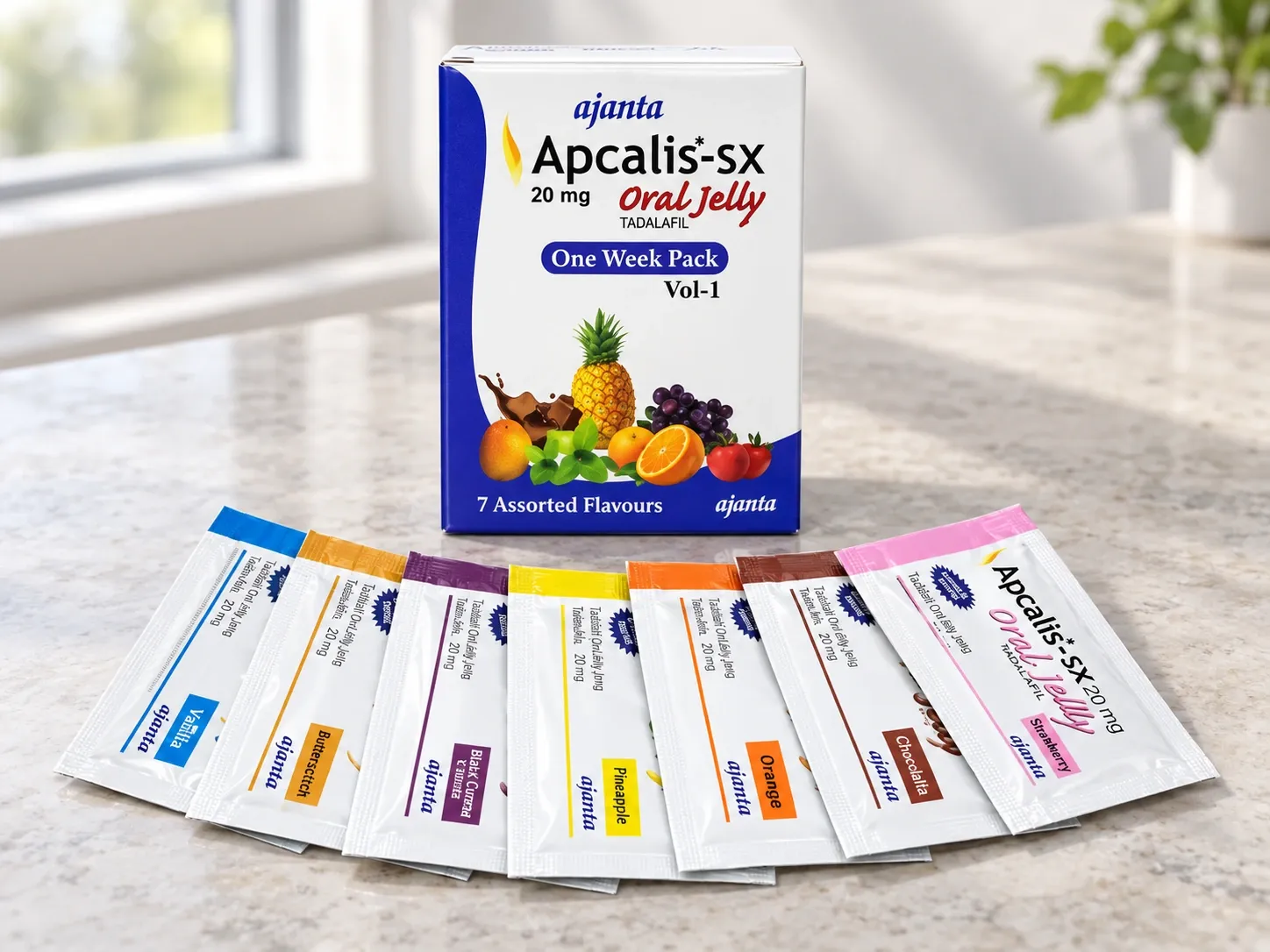
Apcalis SX (tadalafil)
Apcalis SX (tadalafil): explicit RSM supplier evidence, exact component/formulation context and the limits of manufacturer and clinical attribution.
 Tadalafil
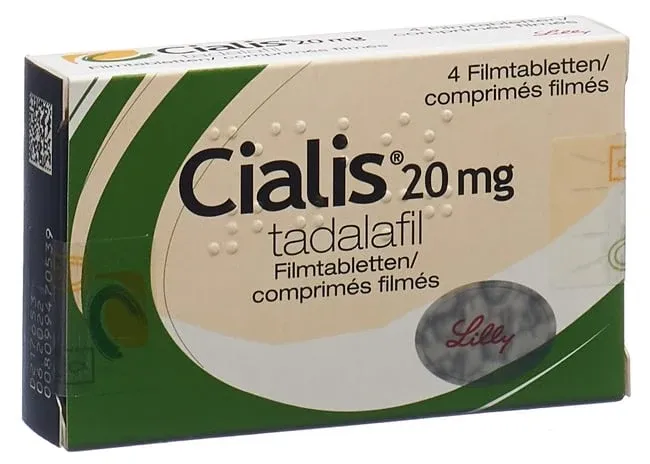
Cialis (tadalafil)
Read about Cialis tadalafil tablets, daily and as-needed presentations, listed strengths and how the original brand compares with other tadalafil products.
 Tadalafil
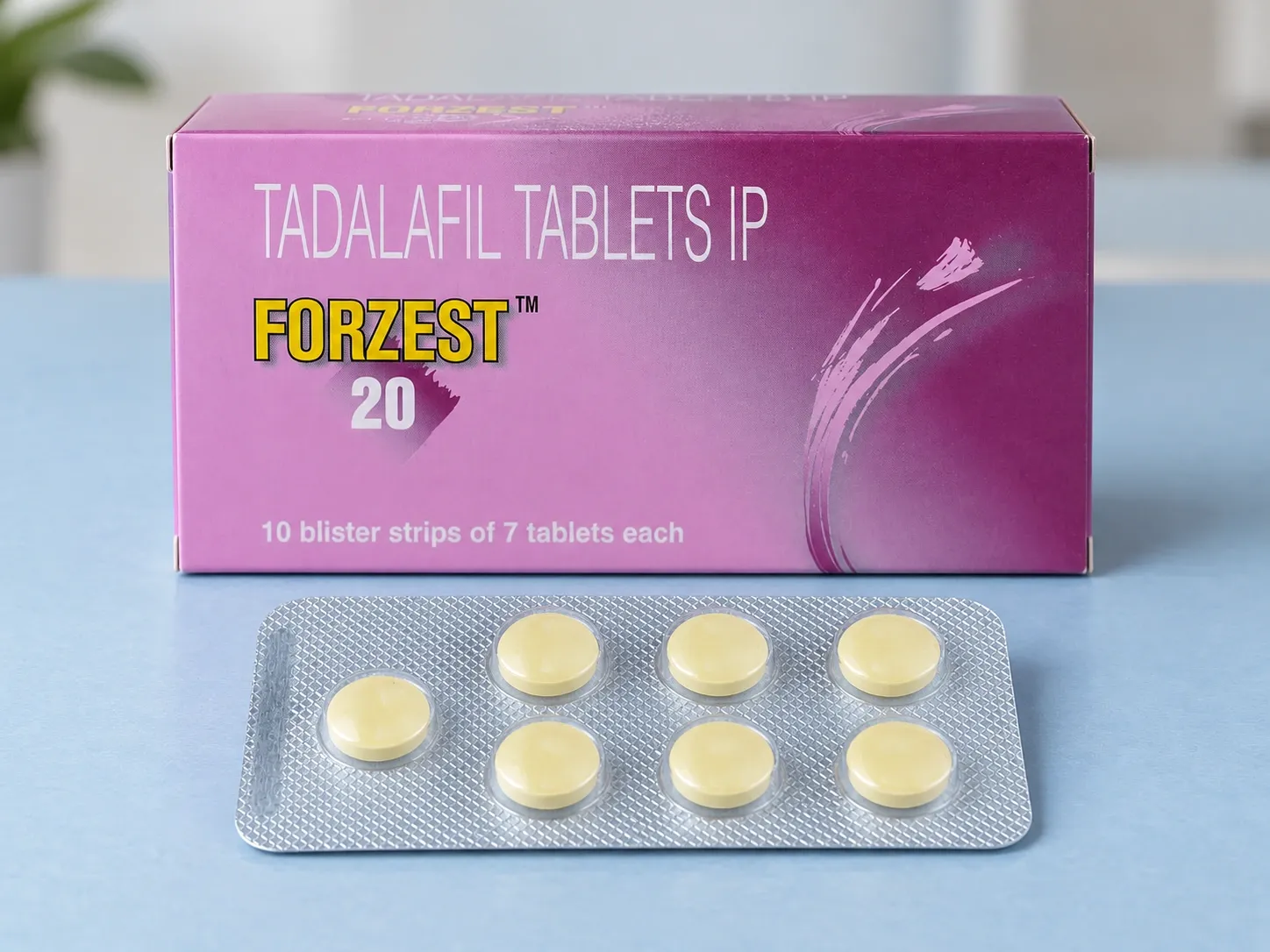
Forzest (tadalafil)
Forzest is a 20 mg tadalafil tablet first marketed by Ranbaxy, now part of Sun Pharma. See how it relates to Cialis.
 Tadalafil
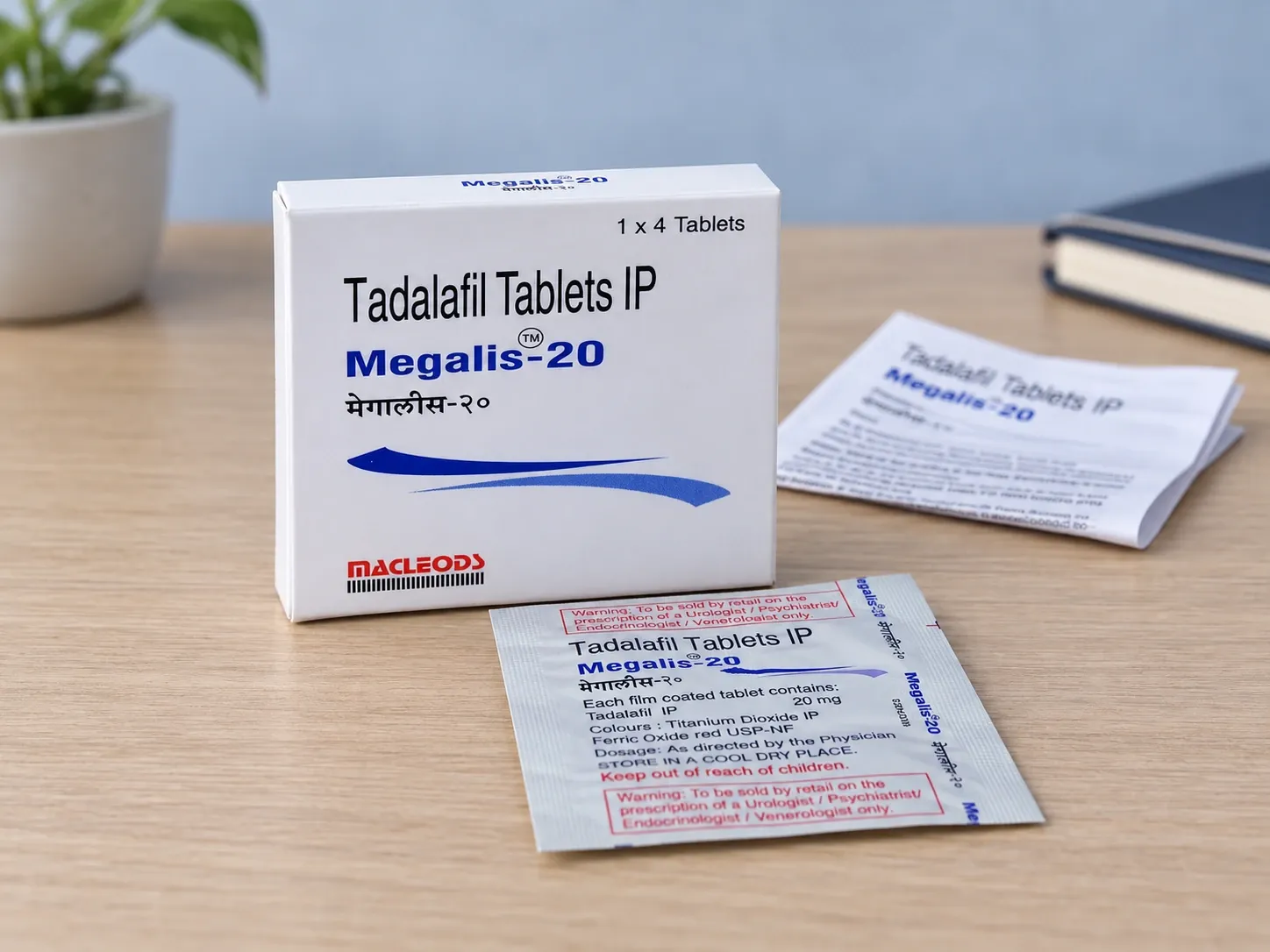
Megalis (tadalafil)
Megalis is Macleods Pharmaceuticals’ tadalafil tablet sold in Indian pharmacies. See its strengths and uses.
 Sildenafil
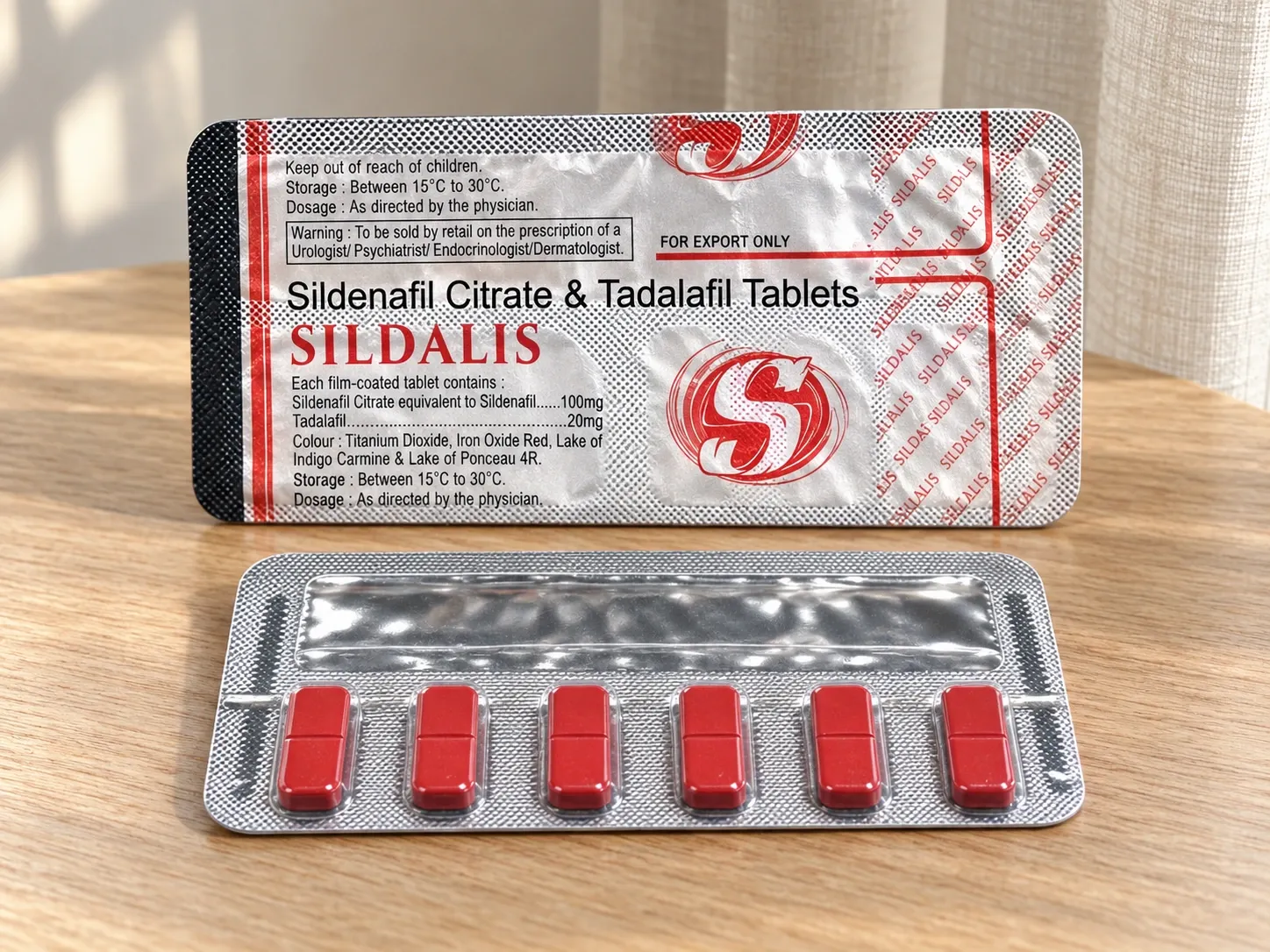
Sildalis (sildenafil + tadalafil)
Sildalis combines two ED medicines, sildenafil and tadalafil, in one tablet. The maker is not established. See the concerns.
 Tadalafil
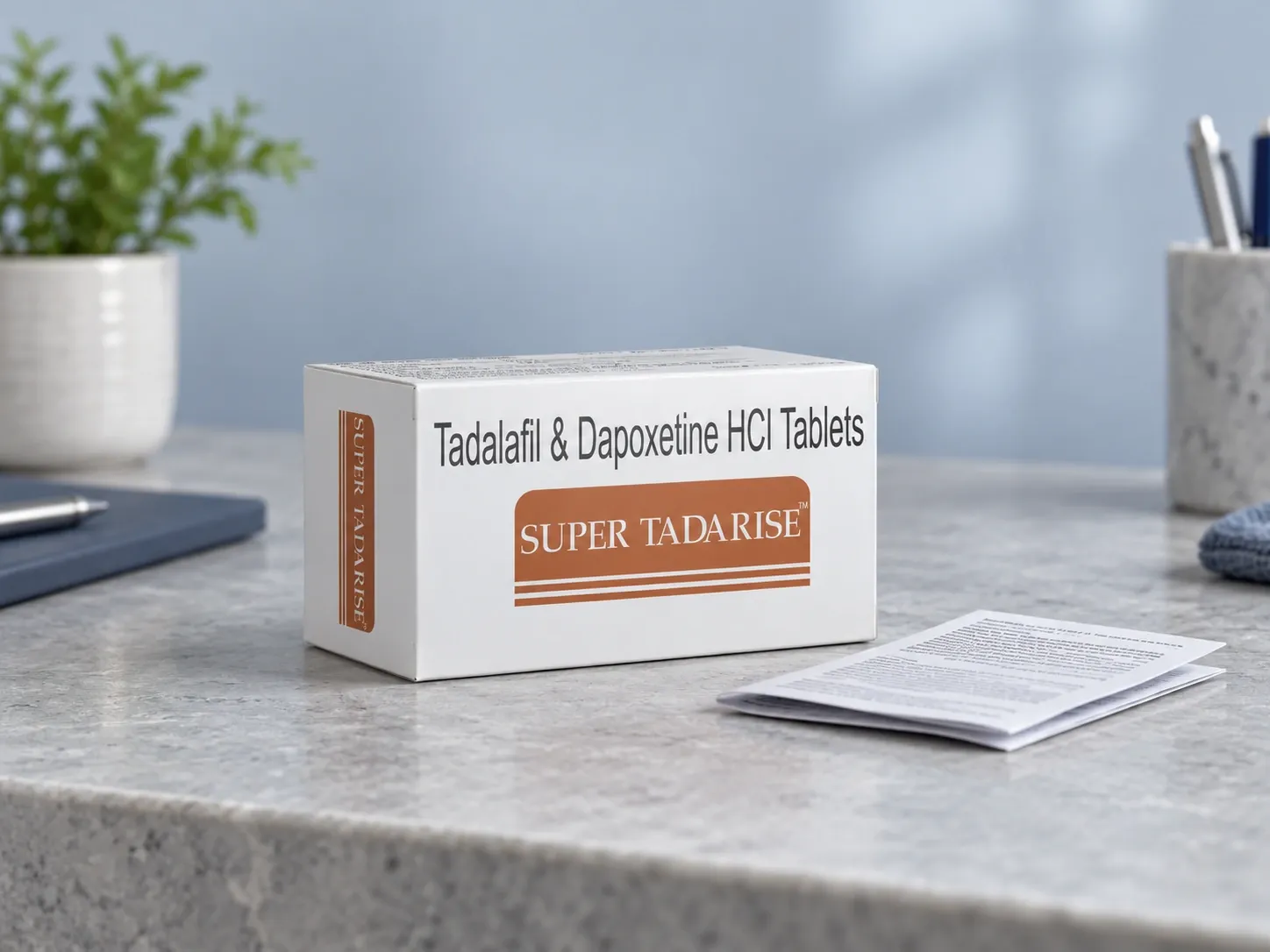
Super Tadarise (tadalafil + dapoxetine)
Super Tadarise combines tadalafil 20 mg with dapoxetine 60 mg. Understand the two ingredients and the cautions for the combination.
 Tadalafil
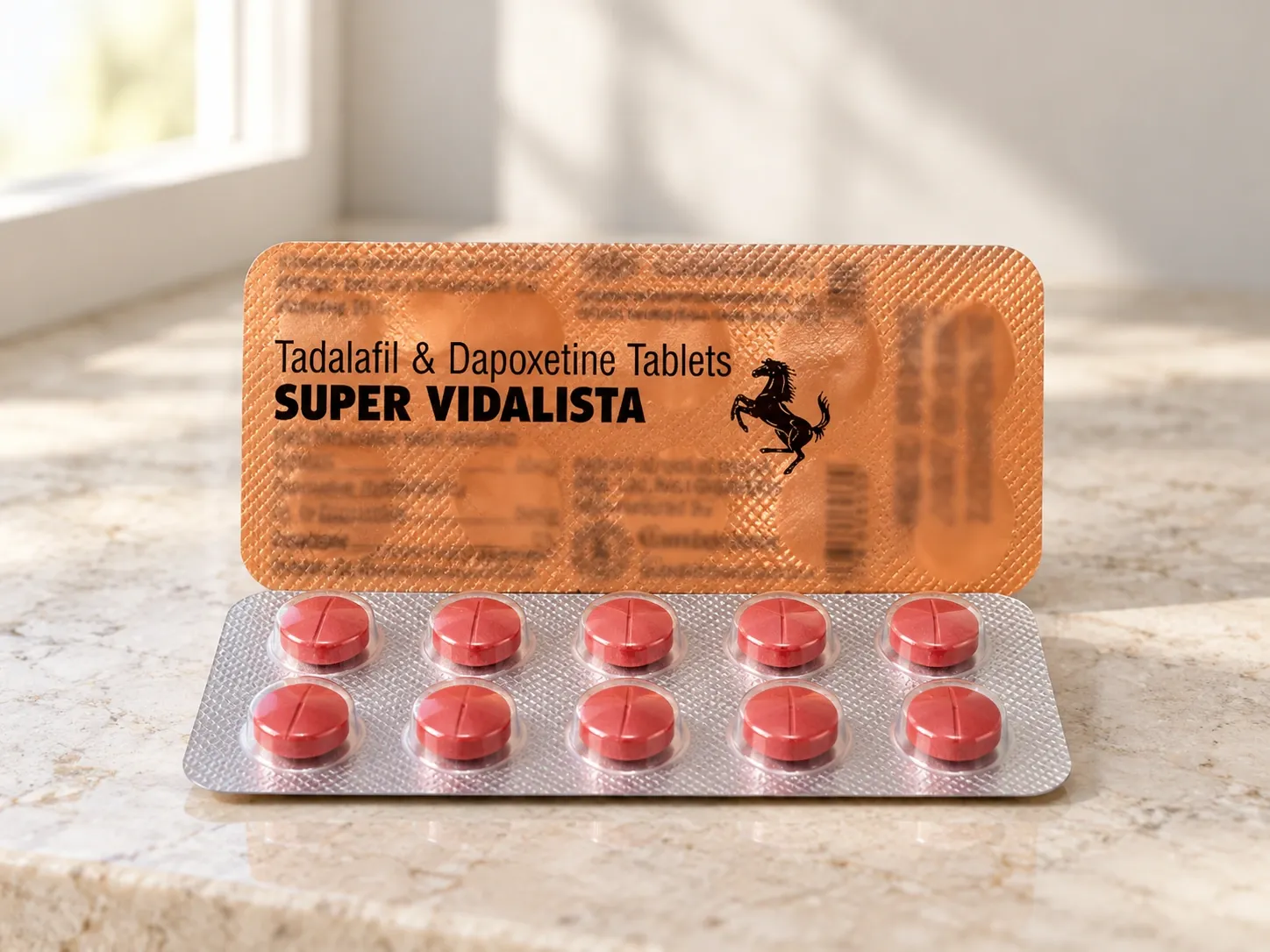
Super Vidalista (tadalafil + dapoxetine)
Super Vidalista combines tadalafil 20 mg with dapoxetine 60 mg. Understand the two ingredients and why the combination needs care.
 Tadalafil
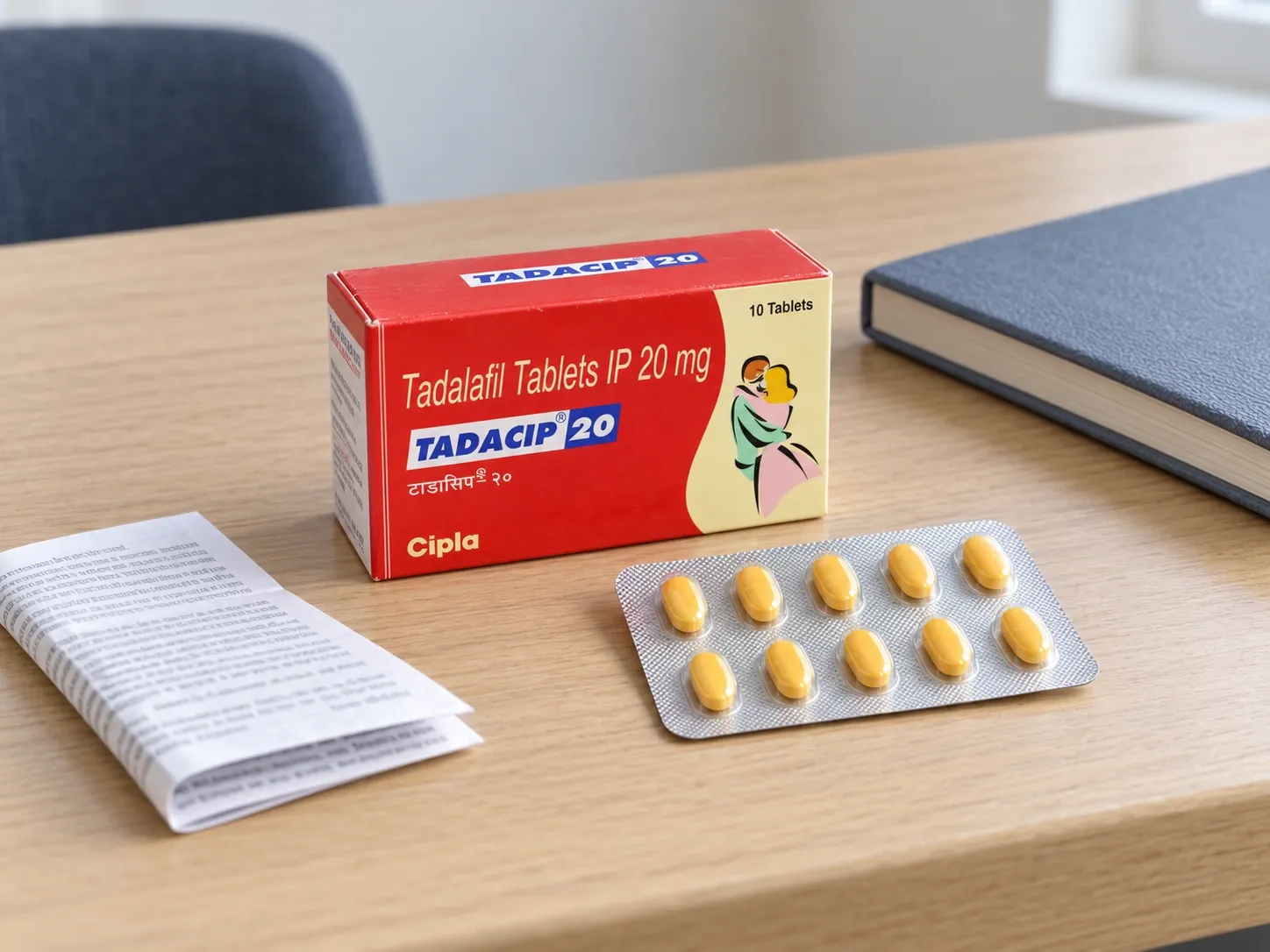
Tadacip (tadalafil)
Tadacip is Cipla’s tadalafil brand, with an Australian register entry and Indian pharmacy listings. See its strengths and record.
 Tadalafil
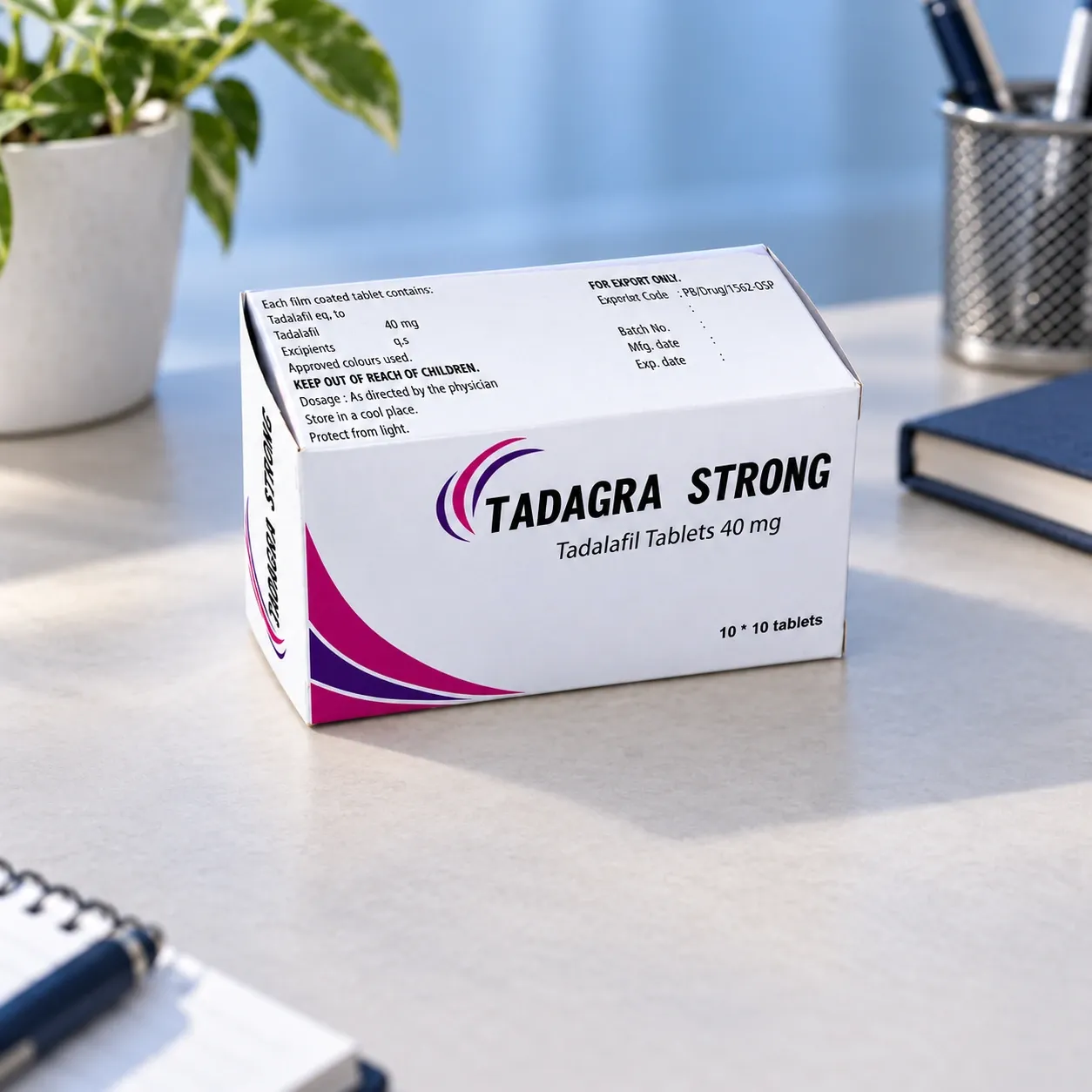
Tadagra (tadalafil)
Tadagra is a tadalafil brand listed by Indian exporter RSM Enterprises, including Soft, Prof and Strong names. See what to check.
 Tadalafil
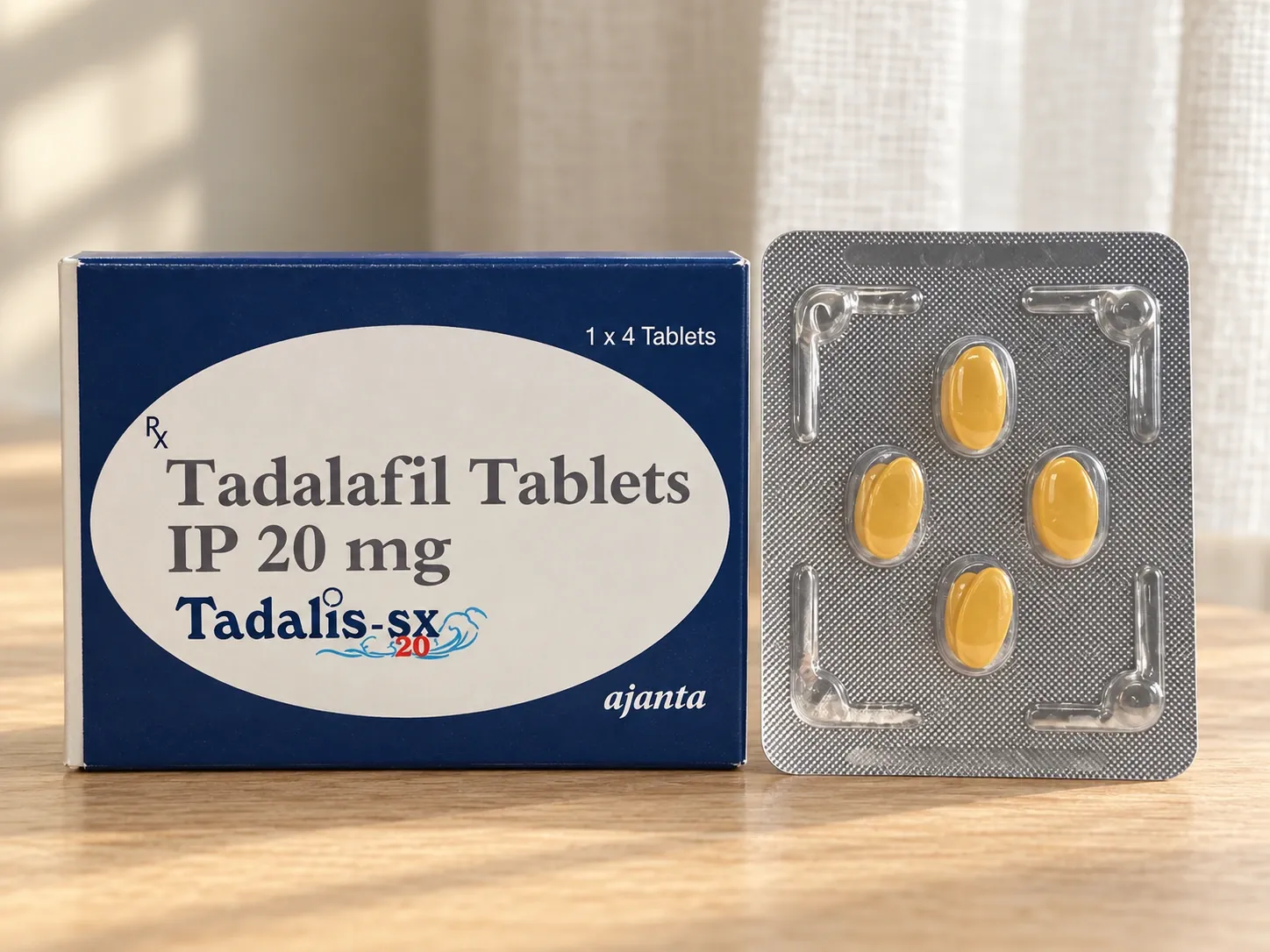
Tadalis SX (tadalafil)
Tadalis SX is Ajanta Pharma’s 20 mg tadalafil tablet, listed by Indian pharmacies. See how it relates to tadalafil and Cialis.
 Tadalafil
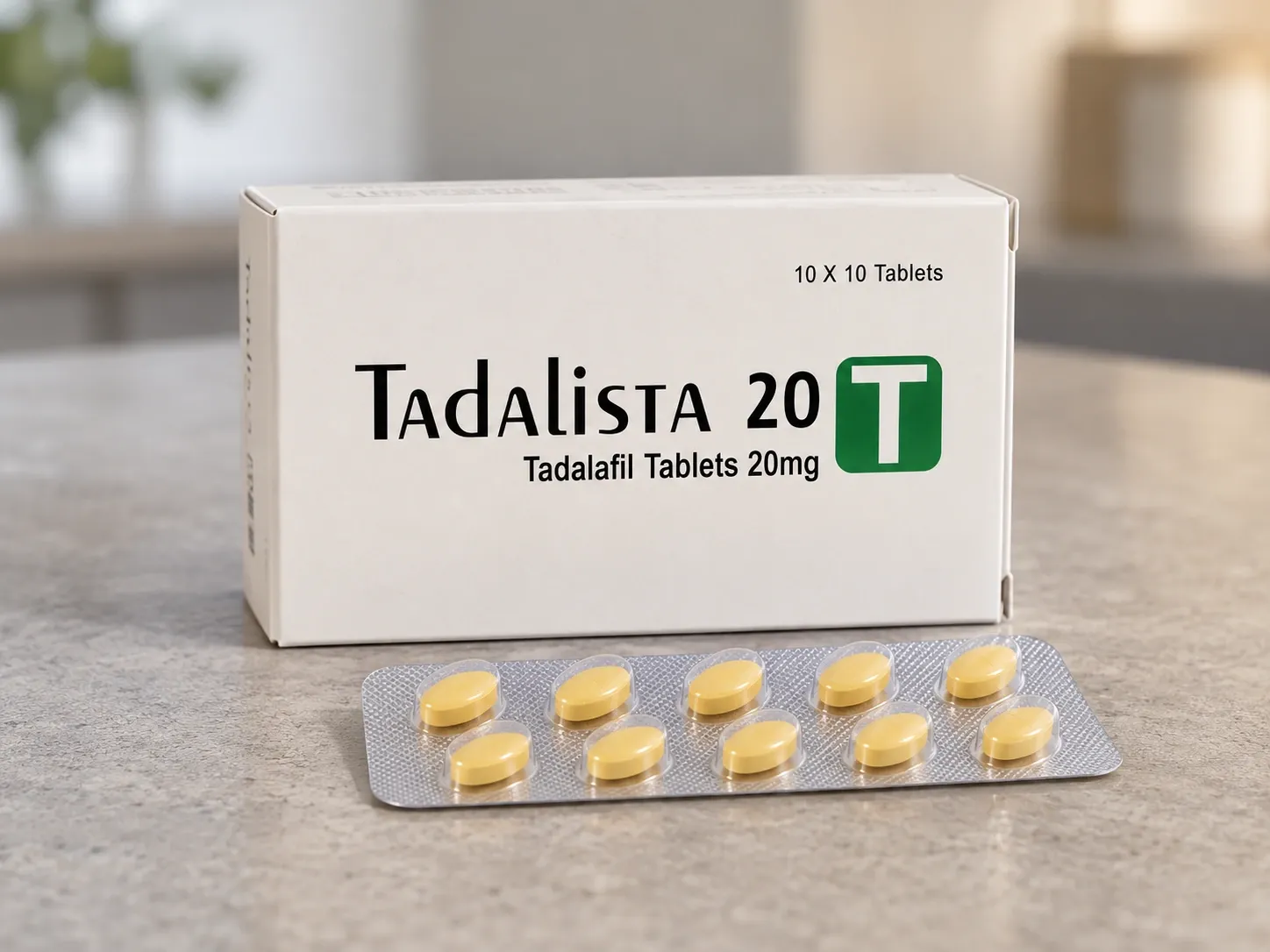
Tadalista (tadalafil)
Tadalista is Fortune Healthcare’s tadalafil brand. Compare its tablets with the Professional and Super Active forms and listed strengths.
 Tadalafil
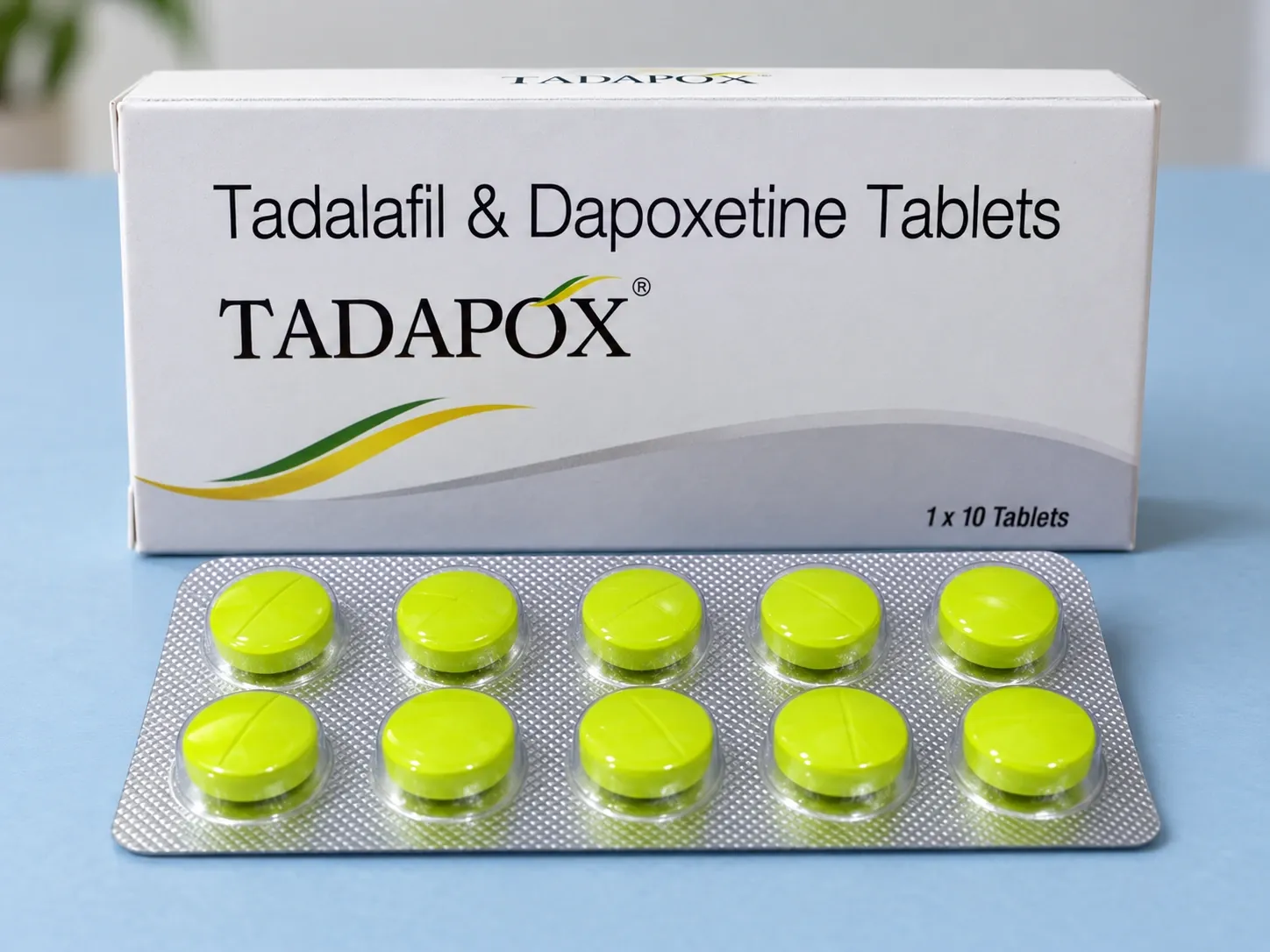
Tadapox (tadalafil + dapoxetine)
Tadapox (tadalafil + dapoxetine): explicit RSM supplier evidence, exact component/formulation context and the limits of manufacturer and clinical attribution.
 Tadalafil
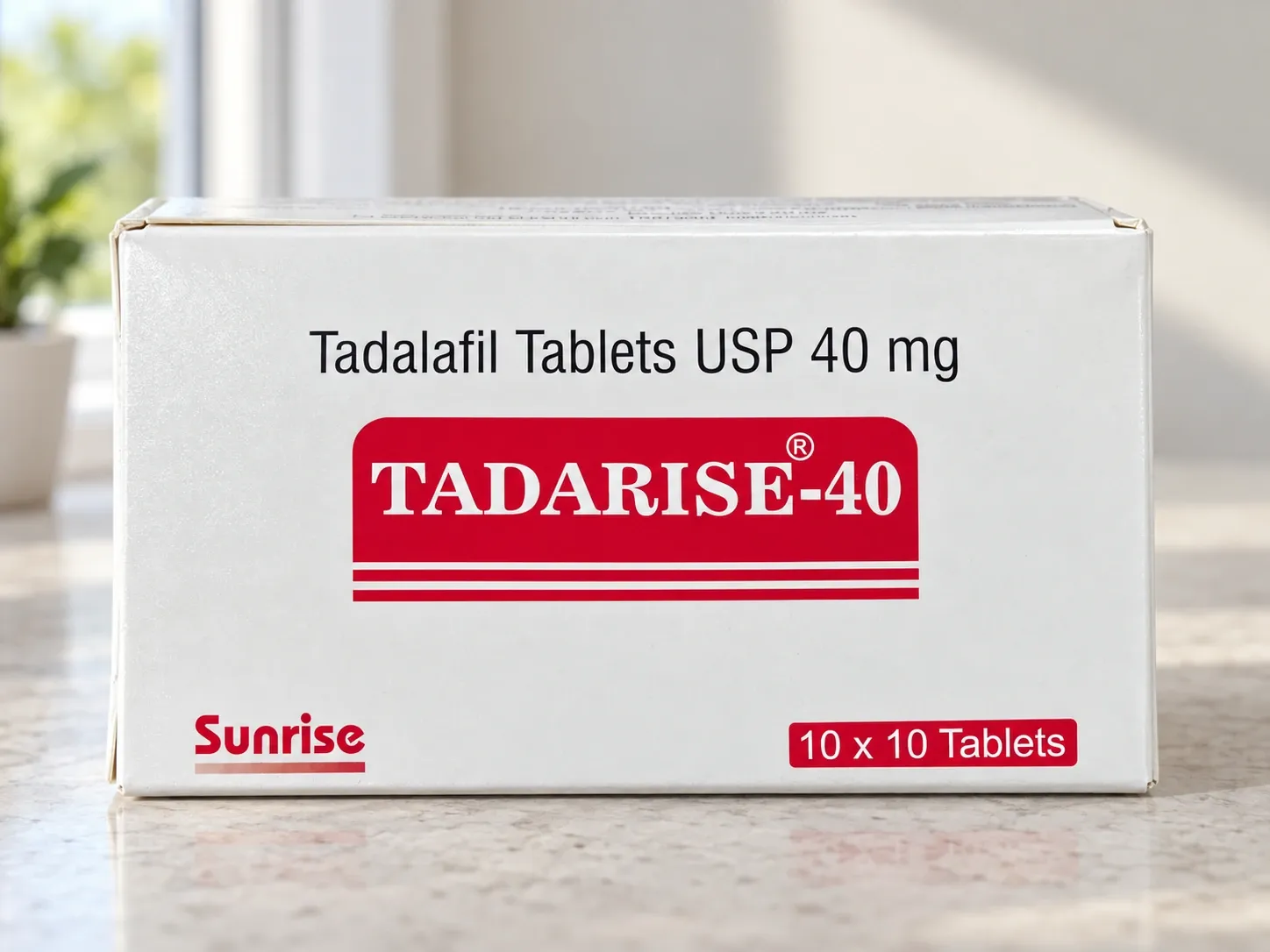
Tadarise (tadalafil)
Tadarise is Sunrise Remedies’ tadalafil brand, listed from 2.5 mg to 60 mg. See which strengths match licensed doses.
 Tadalafil
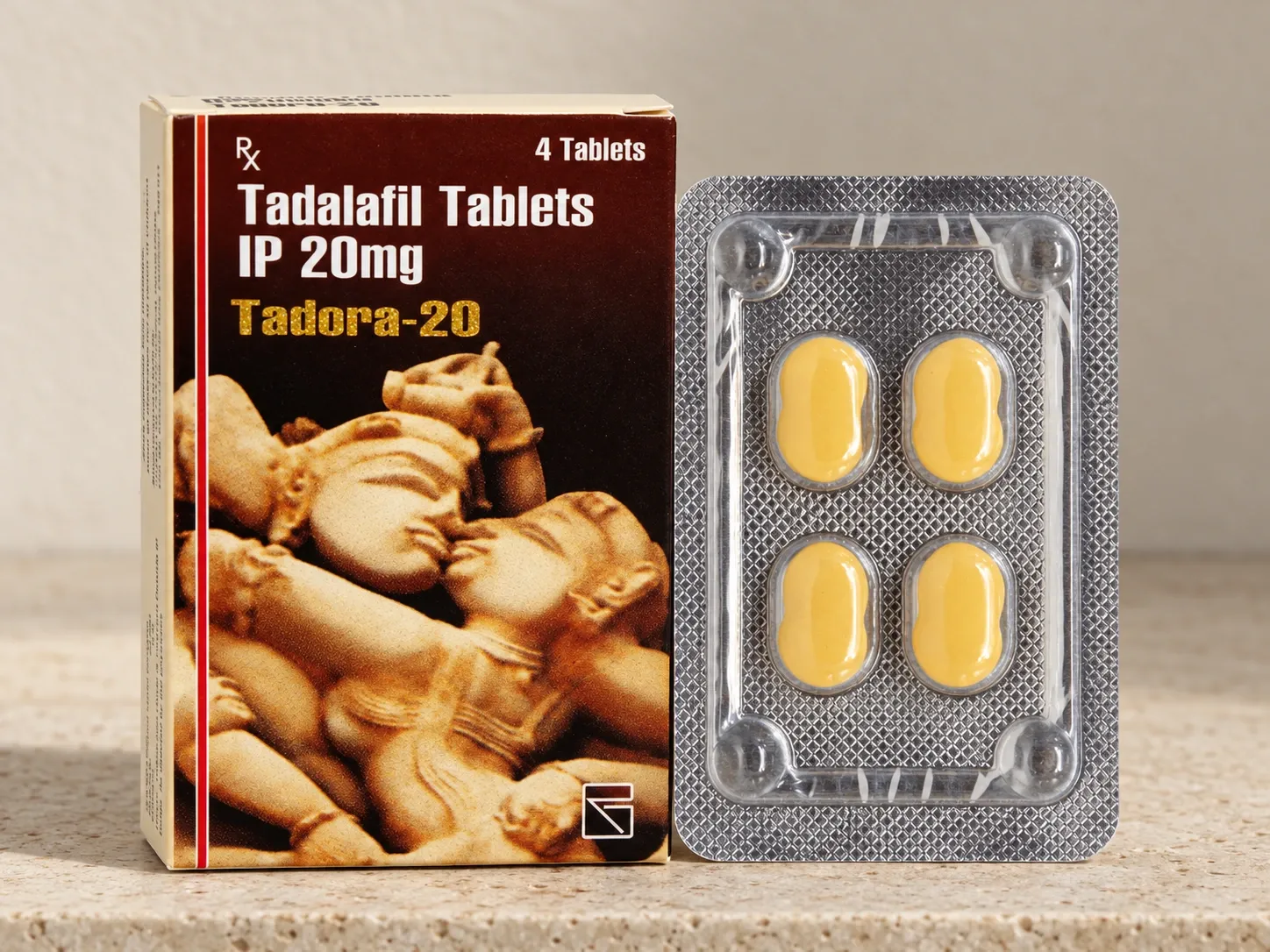
Tadora (tadalafil)
Tadora is a Zydus tadalafil tablet listed by Indian pharmacies. See its strengths and how it relates to Cialis.
 Tadalafil
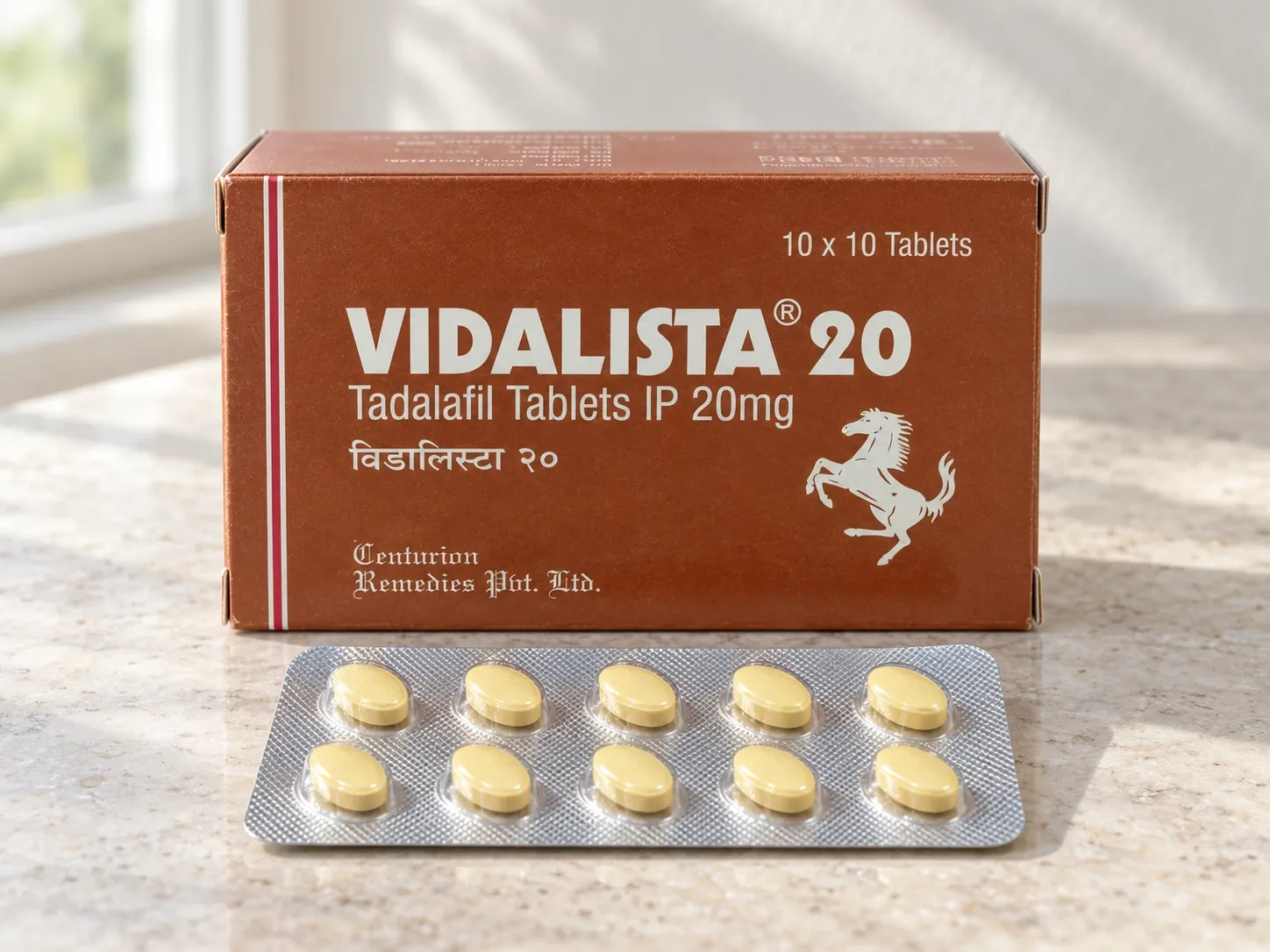
Vidalista (tadalafil)
Explore Vidalista from Centurion Laboratories: tadalafil tablets, CT chewables and Professional listings, with a guide to the names in the range.
Sources
2 sources
Checked .
- Cialis EU product information — European Medicines Agency
- REACTT return-to-baseline follow-up — Journal of Sexual Medicine, 2016